Neuroradiology in Surrey
Specialist Brain, Spine and Nervous System MRI and CT Imaging
We provide specialist brain, spine and nervous system imaging for patients across Surrey, Hampshire and Berkshire. Using advanced MRI and CT technology, our experienced consultant radiologists deliver detailed imaging and clinically focused reports to support accurate diagnosis, treatment planning and ongoing care.
What Is Neuroradiology?
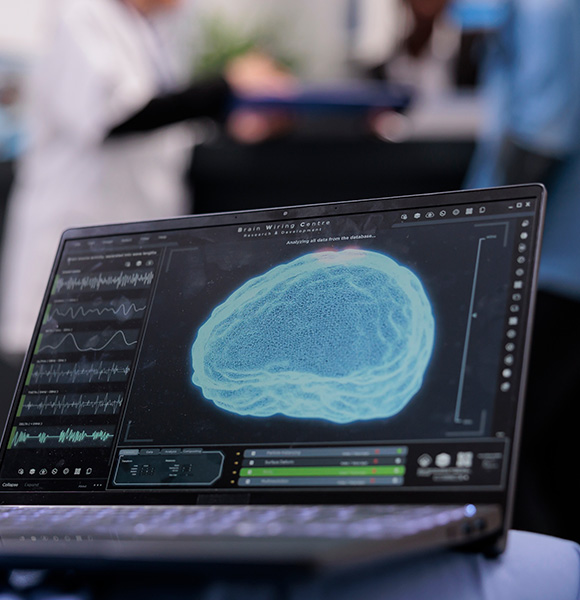
Neuroradiology is a specialist area of diagnostic imaging focused on the brain, spine, head, neck and nervous system. It uses techniques such as brain MRI, spinal MRI, head CT and CT angiography to assess anatomy, blood vessels and neurological function. Our scans are interpreted in clinical context, helping referring clinicians investigate symptoms, confirm diagnoses, monitor known conditions and plan appropriate treatment.
What Can a Neuroradiology Scan Detect?
Neurological imaging can provide detailed information about the brain, spinal cord, nerves, skull, blood vessels and surrounding soft tissues. The most suitable examination depends on your symptoms, medical history and the clinical question being investigated.
Our neuroradiology examinations may help identify:
Stroke and
Blood Vessel Conditions
MRI, CT and CT angiography can help identify stroke, intracranial bleeding, aneurysms, carotid artery narrowing and vascular malformations.
Brain Tumours and
Structural Changes
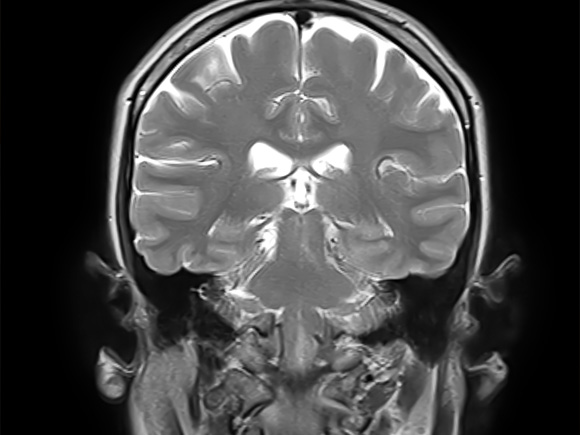
Brain imaging can detect tumours, cysts and other structural abnormalities, supporting diagnosis, treatment planning and monitoring.
Inflammatory and Neurological Disease
Specialist MRI may help assess multiple sclerosis, infection, inflammation and other conditions affecting the brain, spinal cord or nervous system.
Seizures and
Cognitive Changes
Brain MRI can investigate structural changes associated with seizures, epilepsy, memory concerns, dementia and cognitive decline.
Spine, Disc and
Nerve Problems
Spinal MRI can identify disc disease, degenerative changes, spinal stenosis, nerve compression and spinal cord abnormalities.
Head Injury and Hydrocephalus
Head CT and MRI can assess trauma-related bleeding, skull fractures, intracranial injury, hydrocephalus and changes in cerebrospinal fluid pathways.
Common Applications for Neurological Imaging

Stroke and Vascular Assessment
Rapid brain imaging can help assess suspected stroke and identify possible causes, such as bleeding, blocked blood vessels or carotid artery disease. CT angiography and specialist MRI protocols may provide additional information where clinically appropriate.

Persistent Headaches and Migraines
Most headaches do not require imaging, but brain imaging may be recommended when symptoms are persistent, unusual, worsening or associated with neurological signs. A brain MRI can assess for structural causes where indicated.

Brain Tumours and Neurological Monitoring
MRI provides excellent soft-tissue detail for diagnosing and monitoring brain tumours. It can support treatment planning, assess response to treatment and help clinicians monitor changes over time.

Spine, Back and Nerve Symptoms
Spinal MRI helps investigate symptoms such as sciatica, neck pain, weakness, numbness and altered sensation. It can show disc prolapse, spinal stenosis, spinal cord abnormalities and degenerative changes.

Head Injury and Trauma
A head CT is often used when prompt assessment is required after trauma. It can identify bleeding, fractures and other acute intracranial injuries, helping clinicians determine the most appropriate next steps.
Why Choose a Neuroradiology Scan?
Brain imaging and spine imaging can reveal detail that is not visible on standard X-rays or physical examination alone. MRI is particularly valuable for evaluating the brain, spinal cord, discs, nerves and soft tissues, while CT provides rapid assessment of bone, bleeding and certain acute conditions. The right examination can give your clinician clearer information and support confident, timely decisions about your care.
Make a Neuroradiology Referral Today
If you have been advised to arrange brain, spine or nervous system imaging, our team can help you take the next step. Contact us to discuss referral requirements, appointments and suitable scan locations.
How to Prepare for Your Neuroradiology Scan
Preparation depends on whether you are having an MRI, CT or contrast-enhanced examination. We will provide specific instructions before your appointment. Tell us in advance about any implants, pacemakers, previous surgery, kidney problems, allergies, pregnancy or possibility of pregnancy. For MRI, you will need to remove metal items. Please bring relevant previous imaging, referral details and a list of your medications where available.
Working Across Leading Hospitals
We provide diagnostic imaging services in Surrey and neighbouring Hampshire and Berkshire locations. The availability of specific brain MRI, head CT and spinal MRI services may vary by site, so our team will confirm the most suitable location for your examination.
Frimley Park Hospital
Portsmouth Road,
Frimley,
Camberley,
GU16 7UJ
Aldershot Centre for Health
Hospital Hill,
Aldershot,
GU11 1AY
Clare Park Hospital
Crondall Lane,
Farnham,
GU10 5XX
Heatherwood Hospital
Brook Avenue,
Ascot
SL5 7GB
Wexham Park Hospital
Wexham Street,
Slough,
SL2 4HL
Questions about neuroradiology in Surrey
What is neuroradiology?
Neuroradiology is a specialist area of diagnostic imaging focused on the brain, spine, head, neck, nerves and blood vessels. It uses examinations such as brain MRI, spinal MRI, head CT and CT angiography to help investigate neurological symptoms and conditions.
When should I consider private neuroradiology services?
Private neuroradiology may be appropriate when your GP, consultant or other healthcare professional recommends brain or spine imaging for symptoms such as persistent headaches, seizures, numbness, weakness, back pain with nerve symptoms or a known neurological condition requiring monitoring.
What symptoms may require specialist brain or spine imaging?
Specialist neurological imaging may be considered for persistent or unusual headaches, dizziness, seizures, blackouts, weakness, numbness, balance problems, altered sensation, neck or back pain with sciatica, or following a head or spinal injury. Your clinician will advise whether imaging is appropriate.
What neurological conditions can neuroradiology help detect?
Brain and spine MRI or CT may help identify stroke, bleeding, brain tumours, multiple sclerosis, epilepsy-related structural changes, hydrocephalus, infections, inflammatory conditions, disc disease, spinal stenosis, nerve compression, aneurysms and carotid artery narrowing.
Do I need a referral for private neuroradiology?
Referrals are usually made by a GP, consultant or another qualified healthcare professional. Self-funding patients can contact SHB Medical Imaging to discuss available options, whether a referral is needed and the clinical information required before an examination.
How quickly can I book a private neuroradiology appointment?
Appointment availability depends on the required MRI or CT examination, hospital location, scanner capacity and clinical urgency. SHB Medical Imaging aims to offer convenient appointments and timely reporting where appropriate.
Will my scan be reviewed by a specialist neuroradiologist?
Your images are reviewed by a consultant radiologist with relevant experience in neurological imaging. The report is designed to answer the clinical question clearly and support your referring clinician with onward management.
What should I expect during a neuroradiology examination?
A radiographer will check your safety information, explain the scan and support you throughout the appointment. MRI uses a strong magnet and may be noisy, while CT is usually quicker and may involve X-ray imaging or contrast where clinically required.
Can neuroradiology help diagnose headaches, dizziness or nerve problems?
Yes. Where clinically indicated, brain MRI or CT can assess possible structural causes of persistent headaches, migraines or dizziness. Spinal MRI can help investigate nerve symptoms, sciatica, numbness, weakness, disc prolapse and spinal stenosis.
Why choose private neuroradiology instead of waiting for an NHS appointment?
Private neuroradiology can provide an additional route to access specialist brain or spine imaging, subject to referral requirements and availability. SHB Medical Imaging offers tailored MRI and CT protocols, consultant reporting and locations across Surrey, Hampshire and Berkshire.
Make a Neuroradiology Referral
If you require neuroradiology in Surrey, specialist brain imaging in Hampshire or neurological imaging in Berkshire, we are here to help. Referring clinicians can contact SHB Medical Imaging to discuss an appropriate examination, submit a referral or arrange imaging for their patient. Self-funding patients are also welcome to contact us to discuss available options and referral requirements.
If you have sudden weakness, speech difficulty, severe sudden headache, loss of consciousness or symptoms of a suspected stroke, seek urgent emergency medical attention by calling 999.
TBC