Interventional Radiology in Surrey
Consultant-Led and Minimally Invasive Image-Guided Procedures
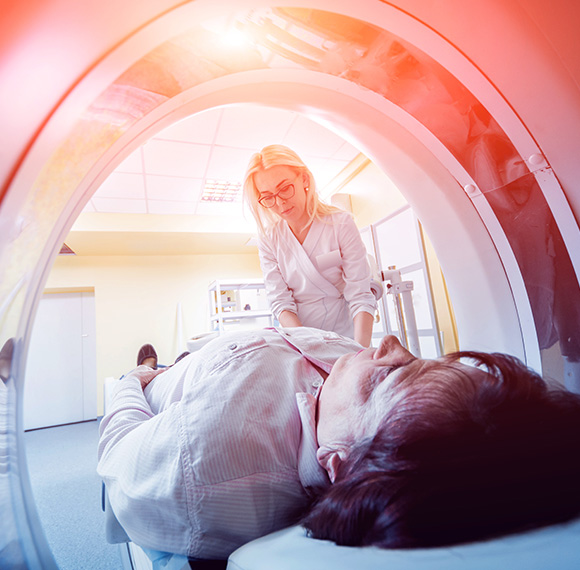
We provide a range of image-guided procedures designed to diagnose and/or treat a broad range of conditions. Using diAerent type of imaging such as ultrasound, CT or fluoroscopy, our specialist radiologists can use these images to position needles, thin tubes or other instruments within the body, usually through a small skin puncture or incision.
What Is Interventional Radiology?
Interventional Radiology is a specialist area of medicine in which imaging is used to guide fine instruments, such as needles, wires and catheters, to a specific area of the body. Rather than requiring an open surgical operation, many radiology procedures can be performed through a very small skin incision.
This enables highly targeted treatment or tissue sampling, while aiming to reduce discomfort, recovery time and disruption to everyday life.
Common Applications of Interventional Radiology
Image-Guided Biopsy
A biopsy involves taking a small sample of tissue for laboratory analysis. Ultrasound or CT guidance allows the radiologist to position the needle accurately, including in deeper areas of the body. Procedures may include liver, kidney, lung, lymph node, soft tissue and other targeted biopsies.

Joint and Soft Tissue Injections
Image-guided injections help ensure medication is delivered precisely to the intended joint, tendon sheath, bursa or surrounding soft tissues. These procedures may be considered for inflammation, arthritis, tendon conditions and certain causes of persistent pain.

Drainage Procedures
Fluid collections can develop as a result of infection, inflammation, surgery or other medical conditions. Drainage procedures may include aspiration or placement of a small drain to remove fluid from an abscess, the chest, abdomen or a cyst, where clinically appropriate.

Vascular Access Procedures
Some patients require reliable access to a vein for treatment, medication or nutrition. Image guidance can support the placement of specialist devices such as PICC lines, central venous access lines and implanted ports, helping to ensure accurate positioning.
Therapeutic Aspirations and Catheter Procedures
Certain conditions can be managed using targeted aspirations, drain insertions or catheter-based techniques. An interventional consultant works closely with the referring clinician to determine whether an image-guided treatment is suitable for the individual patient and their clinical needs.
Why Choose SHB Medical Imaging?
Consultant-Led Expertise
Our procedures are planned and performed by experienced consultant radiologists, with specialist knowledge of imaging, anatomy and clinical diagnosis.
Precise Image Guidance
We work with modern Canon and GE imaging platforms at our hospital locations, delivering high-quality images with efficient scan acquisition.
Patient-Focused Communication
We explain what the procedure involves, what preparation may be needed and what patients can expect before, during and after their appointment.
Collaborative Care
SHB Medical Imaging works closely with GPs, surgeons, physicians and other referring clinicians, ensuring that imaging findings and procedure outcomes support coordinated care.
Modern Hospital Facilities
Our work is delivered through established hospital settings across Surrey, Hampshire and Berkshire, with access to high-quality imaging technology and clinical support.
Minimally Invasive Approach
Where suitable, we aim to provide procedures that avoid or reduce the need for open surgery, with a focus on comfort, safety and efficient recovery.
Timely Results and Follow-Up
Biopsy samples and procedure findings are communicated to the referring clinician so that further management can be arranged without unnecessary delay.
Individual Assessment
Every patient is different. We consider the clinical question, imaging appearances, medication, allergies and wider health needs before recommending a procedure.
Why Choose an Image-Guided Procedure?
Image guidance gives the radiologist a clear view of the area being treated throughout the procedure. This can improve accuracy when accessing a small, deep or sensitive area of the body. Many procedures are completed using local anaesthetic, although this varies depending on the treatment and patient requirements. Compared with more invasive approaches, image-guided procedures may involve smaller incisions, less tissue disruption, shorter observation periods and a faster return to normal activities.
If you may benefit from an image-guided biopsy, injection or drainage procedure, ask your GP or consultant to refer you to SHB Medical Imaging. Our consultant radiologists will review your referral and advise on the most appropriate next step.
How Should You Prepare for Your Interventional Radiology Procedure?
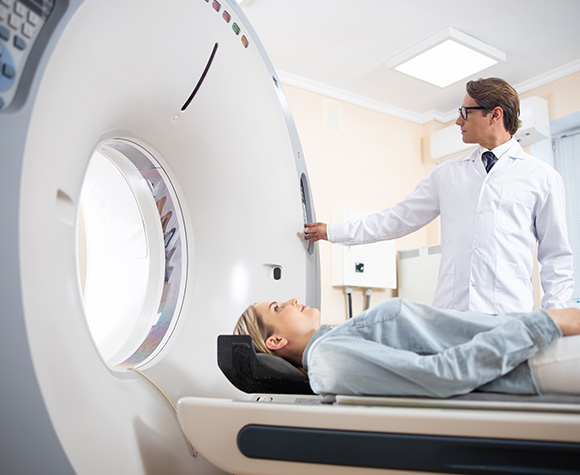
Preparation depends on the type of procedure being performed. Some patients may need to stop eating for a period beforehand, arrange for someone to take them home, or temporarily adjust certain medicines. It is particularly important to tell us about blood-thinning medication, allergies, pregnancy, kidney problems and any previous reaction to contrast medium. Please bring details of your current medication and follow the specific instructions provided with your appointment letter.
Working Across Leading Hospitals
SHB Medical Imaging supports patients and referrers through leading hospital locations across the region. Availability of specific interventional procedures may vary by site, and appointments are arranged according to clinical need, equipment requirements and local pathways.
Frimley Park Hospital
Portsmouth Road,
Frimley,
Camberley,
GU16 7UJ
Aldershot Centre for Health
Hospital Hill,
Aldershot,
GU11 1AY
Clare Park Hospital
Crondall Lane,
Farnham,
GU10 5XX
Heatherwood Hospital
Brook Avenue,
Ascot
SL5 7GB
Wexham Park Hospital
Wexham Street,
Slough,
SL2 4HL
Questions about interventional radiology in Surrey
What conditions can interventional radiology help with?
Interventional radiology can be used for a wide range of conditions. Procedures include image-guided injections for pain relief, tissue sampling (biopsies), drainage of fluid collections, and treatments for problems such as uterine fibroids, varicose veins or narrowed blood vessels. Your clinician will advise whether a procedure is appropriate for your condition.
How does interventional radiology differ from surgery?
Interventional radiology usually accesses the treatment area through a small skin puncture or incision, using imaging to guide the instruments. For suitable conditions, this may mean less discomfort and a shorter recovery than open surgery. It is not suitable for every condition, and your clinician will discuss the available options and their expected benefits and risks.
Will the procedure hurt, and will I be awake?
Many procedures are performed using local anaesthetic, which numbs the treatment area while you remain awake. You may feel a brief sting when it is injected, followed by pressure or movement during the procedure. Sedation may be offered to help you relax, and some procedures require general anaesthesia. Your team will explain the plan beforehand and provide pain relief as needed. Let them know if you feel uncomfortable at any stage.
How should I prepare for my interventional radiology procedure?
You will receive instructions specific to your procedure. These may include blood tests, changes to when you eat or drink, and arrangements for someone to take you home. Tell the team about your medicines, allergies, previous reactions to contrast agents, and any possibility of pregnancy. If you take blood-thinning medicines or medicines for diabetes, you may need individual advice. Do not stop or change any prescribed medication unless your healthcare team tells you to.
Are there any risks?
The risks depend on the procedure being performed and your health. Your interventional radiologist will explain the risks relevant to you, the expected benefits and any alternatives before you decide whether to proceed.
How long will my appointment take?
The procedure itself may take less than an hour, while more complex treatments can take several hours. Your total appointment will also include preparation and a period of observation afterwards. The team will give you an estimated appointment length beforehand so you can plan your day and any transport or support you may need.
Will I need to stay in hospital or arrange someone to take me home?
Many procedures are performed as day cases, allowing you to go home after a period of observation. Others require an overnight stay or longer monitoring. If you have sedation or general anaesthesia, you will need someone to take you home and may need a responsible adult to stay with you afterwards. Some procedures require this support even without sedation. The team will confirm the arrangements and explain when it is safe to drive again.
How soon can I return to normal activities?
Recovery depends on the procedure, your general health and the type of work or activities you do. You may need to rest and temporarily avoid heavy lifting, strenuous exercise or driving. Before you leave, you will receive advice about wound care, pain relief and returning to your usual routine. You will also be told who to contact if you develop problems, such as increasing pain, fever, redness or bleeding. Seek urgent medical help for severe symptoms such as difficulty breathing or heavy bleeding that does not stop.
When will I receive my results or know whether treatment has worked?
Your radiologist may be able to explain the initial outcome on the day. If a biopsy or fluid sample is taken, it must be analysed in a laboratory, so results will take longer. The effects of treatment may develop over time, and some procedures require a follow-up appointment or scan. Before you leave, the team will explain when and how you will receive results, who will discuss them with you and what follow-up is planned.
Make an Interventional Radiology Referral
If you are a GP, consultant or healthcare professional seeking a consultant interventional radiologist in Surrey patients can access locally, please contact SHB Medical Imaging to discuss an appropriate referral pathway.
We welcome referrals for biopsy, drainage procedures, vascular access, injections and other image-guided treatments.
Patients interested in private assessment should speak with their GP, consultant or our administrative team to understand whether a referral is required and which service is most suitable.
TBC