
Cardiac MRI in Surrey
Detailed Cardiac Imaging Without Radiation
We provide comprehensive cardiac MRI in Surrey, Hampshire and Berkshire for patients who need detailed assessment of the heart.
This advanced, radiation-free examination helps us evaluate heart structure, muscle function, blood flow and tissue health, supporting accurate diagnosis and treatment planning.
What Is Cardiac MRI?
A cardiac MRI, sometimes called a heart MRI, uses powerful magnetic fields and radio waves to create highly detailed images of the heart and surrounding blood vessels. Unlike CT or X-ray examinations, it does not use ionising radiation. It is particularly valuable for cardiac function assessment, myocardial imaging and tissue characterisation, helping clinicians understand how the heart muscle is working and whether there are signs of inflammation, scarring or disease.
During the scan, images are taken in time with your heartbeat, allowing us to assess the movement of the heart chambers, valves and muscle. In some cases, a contrast injection may be used to provide further detail about blood flow and heart muscle tissue.
What Can a Cardiac MRI Detect?
Cardiac MRI provides a detailed picture of the heart that can help identify a range of conditions affecting the heart muscle, chambers, valves and major blood vessels. It is often requested when other investigations, such as echocardiography, ECG or cardiac CT, have identified an area requiring further assessment.
A heart MRI can help detect or assess:
Heart Muscle Changes
Cardiac MRI can assess changes in heart muscle thickness, shape and movement. This can help identify abnormalities affecting the way the heart contracts and relaxes.
Reduced Pumping Function
The scan can measure how effectively the left and right ventricles pump blood, including ventricular volumes, ejection fraction and regional wall motion.
Inflammation and Myocarditis
Myocardial imaging can identify signs of heart muscle inflammation, swelling and tissue change associated with suspected myocarditis or other inflammatory conditions.
Scarring and Previous
Heart Injury
MRI can detect scar tissue following a heart attack, previous injury or other damage to the heart muscle. This may help assess the extent and location of affected tissue.
Cardiomyopathy and Inherited Conditions
Cardiomyopathy imaging can help assess features of dilated, hypertrophic, restrictive and arrhythmogenic cardiomyopathies, including changes in chamber size, wall thickness and fibrosis.
Structural and Blood Flow Abnormalities
A heart MRI can assess congenital heart abnormalities, abnormal blood flow through the heart or major vessels, fluid around the heart, masses and other structural findings. Results are interpreted alongside your symptoms, clinical history and other cardiac test results.
The results form an important part of wider cardiac diagnostics and should always be interpreted alongside your symptoms, clinical history and other test results.
Common Applications of Cardiac MRI
Cardiomyopathy Assessment
Cardiomyopathy imaging helps assess diseases of the heart muscle, including dilated, hypertrophic, restrictive and arrhythmogenic cardiomyopathies. MRI can show heart muscle thickness, chamber size, movement and areas of fibrosis or scarring that may support diagnosis and risk assessment.
Investigation of Myocarditis
Cardiac MRI can help investigate suspected myocarditis, which is inflammation of the heart muscle. It can identify patterns of swelling, inflammation and tissue change, helping the referring clinician distinguish this from other possible causes of chest pain, breathlessness or reduced heart function.
Cardiac Function Analysis
A detailed cardiac function assessment measures how effectively the heart pumps blood. We can assess ventricular volumes, ejection fraction and regional wall motion, providing valuable information where heart failure, valve disease or other cardiac conditions are being investigated or monitored.
Myocardial Viability Imaging
Myocardial viability imaging helps determine whether areas of heart muscle are damaged, scarred or potentially recoverable. This information may assist cardiologists when considering treatment options following coronary artery disease, a previous heart attack or reduced heart muscle function.
Congenital Heart Disease Assessment
For people with known or suspected congenital heart disease, cardiac MRI can provide clear assessment of cardiac anatomy, blood flow and ventricular function. It can be particularly helpful for monitoring complex conditions over time without exposing patients to radiation.
Why Choose a Cardiac MRI?
Cardiac MRI is one of the most comprehensive methods of examining the heart. It combines detailed anatomical imaging with assessment of heart movement, blood flow and tissue characteristics in one examination. Because it does not use ionising radiation, it can be especially useful where repeat imaging is clinically appropriate. The scan offers excellent soft-tissue detail, helping your clinical team investigate complex cardiac symptoms and plan the most suitable next steps in your care.
Need detailed, radiation-free assessment of heart function or heart muscle tissue?
Make a referral today, and we will review the clinical question and advise on the most suitable cardiac imaging pathway. Contact us to discuss an appointment.
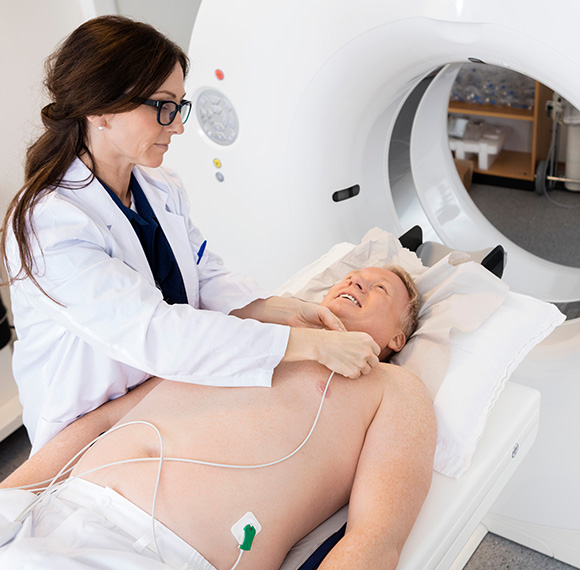
How to Prepare for Your Cardiac MRI
Preparation for a heart MRI depends on the reason for your examination and whether contrast is required. We will provide specific instructions before your appointment. You may be asked about previous surgery, implanted devices, metal fragments, kidney function, allergies and pregnancy.
Please tell us if you have a pacemaker, cochlear implant, clips, pumps or any other implanted medical device, as MRI suitability must be checked in advance.
Wear comfortable clothing and remove jewellery, watches and other metal items before scanning. If you are claustrophobic or concerned about the examination, please let us know when arranging your appointment.
Working Across Leading Hospitals
We provide private cardiac MRI and wider cardiothoracic imaging in Surrey, Hampshire and Berkshire through hospital-based locations. The most appropriate site will depend on the scan requested, clinical requirements and appointment availability. Please contact us to confirm your options.
Frimley Park Hospital
Portsmouth Road,
Frimley,
Camberley,
GU16 7UJ
Heatherwood Hospital
Brook Avenue,
Ascot
SL5 7GB
Wexham Park Hospital
Wexham Street,
Slough,
SL2 4HL
Questions about Cardiac MRI in Surrey
What is a Cardiac MRI scan?
A cardiac MRI, also called a heart MRI, is a detailed scan that uses magnetic fields and radio waves to assess the heart’s structure, muscle function, blood flow and tissue health. Images are taken in time with your heartbeat, allowing detailed assessment of the heart chambers, valves and heart muscle.
Who should consider having a private Cardiac MRI scan?
A private cardiac MRI may be suitable for people with unexplained chest pain, breathlessness, palpitations, reduced heart function or inconclusive results from echocardiography, ECG or cardiac CT. It may also be requested to assess cardiomyopathy, suspected myocarditis, previous heart attack, coronary artery disease or congenital heart disease.
What heart conditions can a Cardiac MRI detect?
Cardiac MRI can help assess cardiomyopathy, myocarditis, heart muscle scarring after a heart attack, reduced ventricular pumping function, congenital heart abnormalities, abnormal blood flow, fluid around the heart and structural masses. Results are interpreted alongside your symptoms, medical history and other test results.
Do I need a GP or consultant referral for a private Cardiac MRI scan?
Cardiac MRI is usually arranged following referral from a GP, consultant cardiologist or another appropriate healthcare professional. SHB Medical Imaging can advise on referral requirements, possible self-referral options and the clinical information needed to confirm that cardiac MRI is appropriate.
How should I prepare for a Cardiac MRI scan?
Preparation depends on the reason for your scan and whether contrast is needed. You will receive specific instructions before your appointment. Tell the team about any implanted devices, previous surgery, metal fragments, kidney problems, allergies or pregnancy. Wear comfortable clothing and remove jewellery, watches and other metal items.
How long does a Cardiac MRI scan take?
The length of a cardiac MRI varies according to the clinical question, imaging protocol and whether contrast is required. Cardiac MRI is generally longer than many routine scans because it captures detailed images throughout the cardiac cycle. Your appointment team will explain the expected duration when your scan is arranged.
What is the difference between a Cardiac MRI scan and a Cardiac CT scan?
Cardiac MRI uses magnetic fields and radio waves, does not use ionising radiation and provides excellent assessment of heart muscle function and tissue characterisation. Cardiac CT uses X-rays and is often particularly useful for assessing coronary arteries and calcium. Your referring clinician will recommend the most appropriate test for your symptoms and clinical question.
Is a Cardiac MRI scan safe and does it use radiation?
Cardiac MRI does not use ionising radiation. It is generally considered a safe examination for suitable patients, but MRI safety checks are essential. The team must confirm the compatibility of pacemakers, cochlear implants, clips, pumps and other implanted devices before the scan.
How quickly will I receive the results of my Cardiac MRI scan?
Your cardiac MRI images are reviewed by a consultant radiologist, and a detailed report is sent to your referring clinician. Reporting times can vary depending on the clinical circumstances and scan complexity. Your GP, consultant or cardiologist will discuss the results and recommended next steps with you.
Will my Cardiac MRI scan be reviewed by a specialist cardiac radiologist?
Yes. SHB Medical Imaging provides consultant-led reporting, with scans reviewed by consultant radiologists with relevant cardiac imaging expertise. Reports address the clinical question and may include cardiac anatomy, ventricular function, blood flow and heart muscle tissue characterisation where appropriate.
Make a Referral or Enquire About Cardiac MRI
If you are a clinician seeking a cardiac MRI referral pathway, or a patient looking for a private cardiac MRI in Surrey, a heart MRI appointment in Hampshire or a cardiac MRI specialist in Berkshire, we are here to help. We will review each request carefully to ensure the examination is appropriate and that the right imaging pathway is selected.
To discuss a referral, appointment availability or preparation requirements, please contact SHB Medical Imaging today. We can advise on the next steps, suitable locations and the information needed to arrange specialist cardiac imaging.
TBC